Key points:
- The Federal Reserve’s Federal Open Market Committee (FOMC) voted to maintain the federal funds target range between 3.75% and 4%.
- Although the decision was widely expected, the pause will do little to address concerns over persistent inflation and policymakers’ resolve to address it in a timely way.
In each of its past four meetings, the Federal Open Market Committee’s statement on its interest rate decision has ended with the same sentence: “The Committee will deliver price stability.” Today’s decision to hold interest rates steady is likely to raise questions about that resolve.
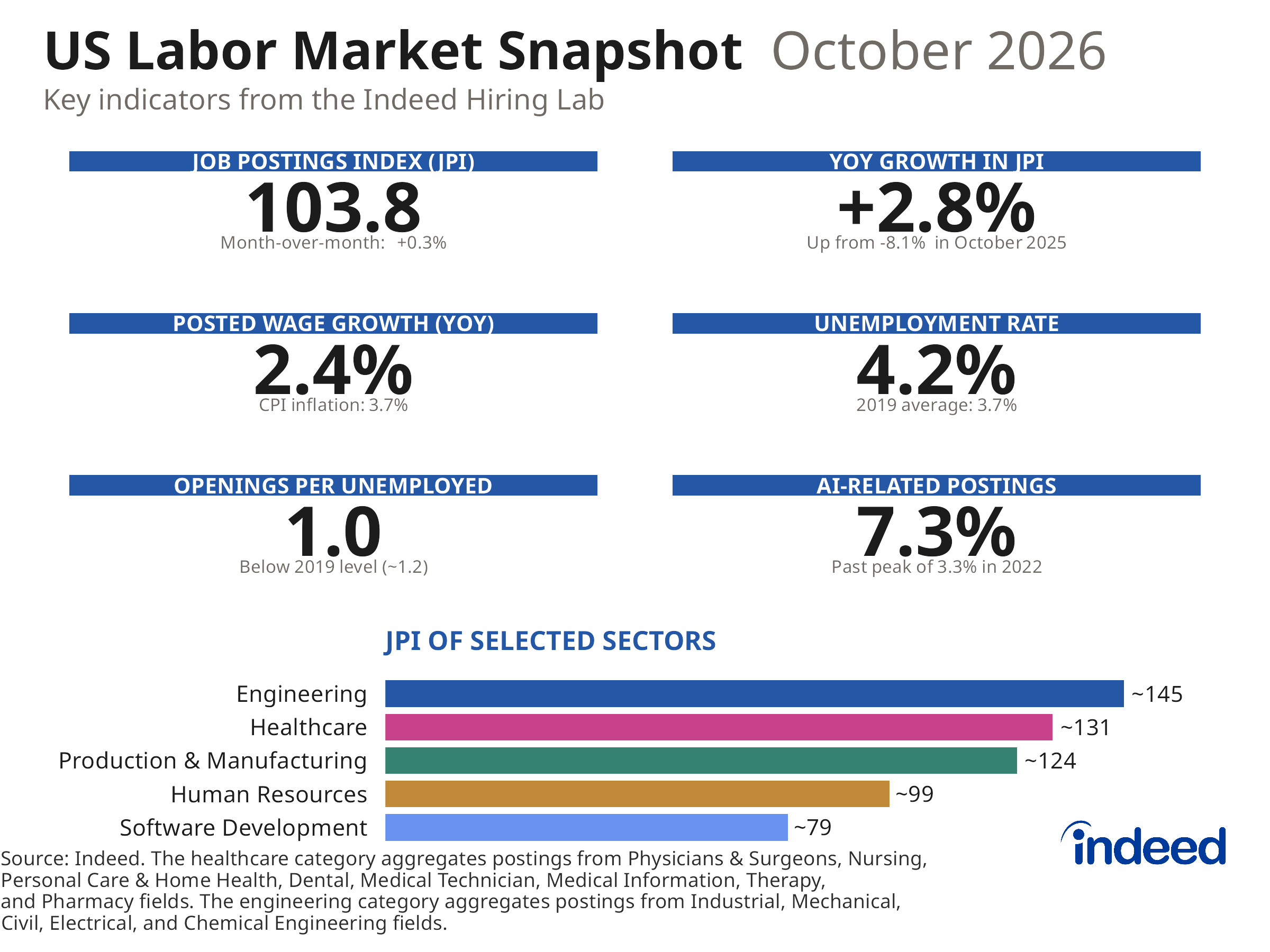
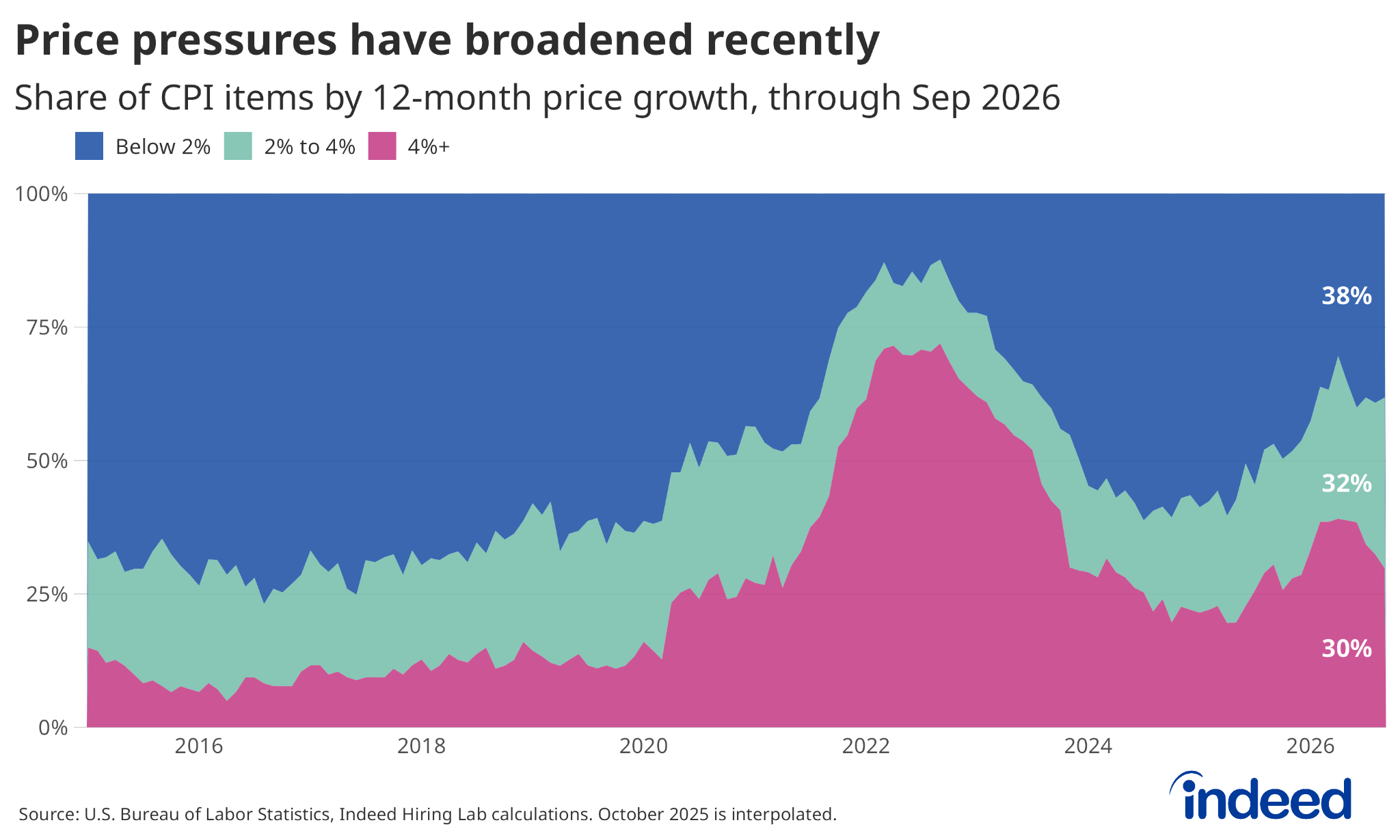
In September, policymakers were worried enough about inflation to raise rates by a quarter point. Since then, the inflation news has gotten worse, not better. Consumer prices rose 0.6% in September, and annual CPI inflation climbed to 3.7% from 3.4% in August. Gasoline did most of the damage, but price pressure is broadening and building across the supply chain. Prices paid by producers jumped 1.3% in the month and are up 6.3% from a year ago. The Fed’s most recent Beige Book, which records anecdotal evidence on the economy, includes tales of intensifying price pressures across districts.
Moreover, the starting point of monetary policy is looking less and less restrictive. The “neutral” interest rate is the level (adjusted for inflation) that keeps the economy in balance. The economy, and inflation with it, will only slow down when the real policy rate sits above that level. But right now, it’s not clear that it does. Estimates of the neutral rate vary significantly, but many measures suggest the rate may still be too low and that the Fed’s foot is still resting lightly on the gas. This was not lost on the two FOMC voters who dissented today in favor of a hike.
By holding rates steady today, it is a near certainty the Committee will vote to raise rates when it meets again in December. A difference of six weeks in the timing of a 0.25 percentage point change in interest rates might not seem like a huge deal, but the Fed’s credibility is an important factor in price growth. Choosing to move more slowly risks increasing expectations for the future rate of inflation, which have stayed well anchored even as overall inflation has exceeded the Fed’s 2% target for much of the past five years. That anchor is the Fed’s most valuable asset, and each month that passes with increasing inflation pressure gives the public more reason to question whether the Fed really means what it says.
Ultimately, the FOMC’s vote to keep its target federal funds rate unchanged today (while widely expected) is a bit hard to square with its unconditional pledge to restore price stability that has repeatedly been made over the past five months. Whether the public believes the Fed will bring inflation down in a timely manner matters for everyone. Businesses setting prices for their goods and wages for their workers need a trusted, informed view of where inflation is headed. And workers struggling to keep up with price growth need to know when their paychecks might start catching up again.